
LAX Ammo San Diego logo
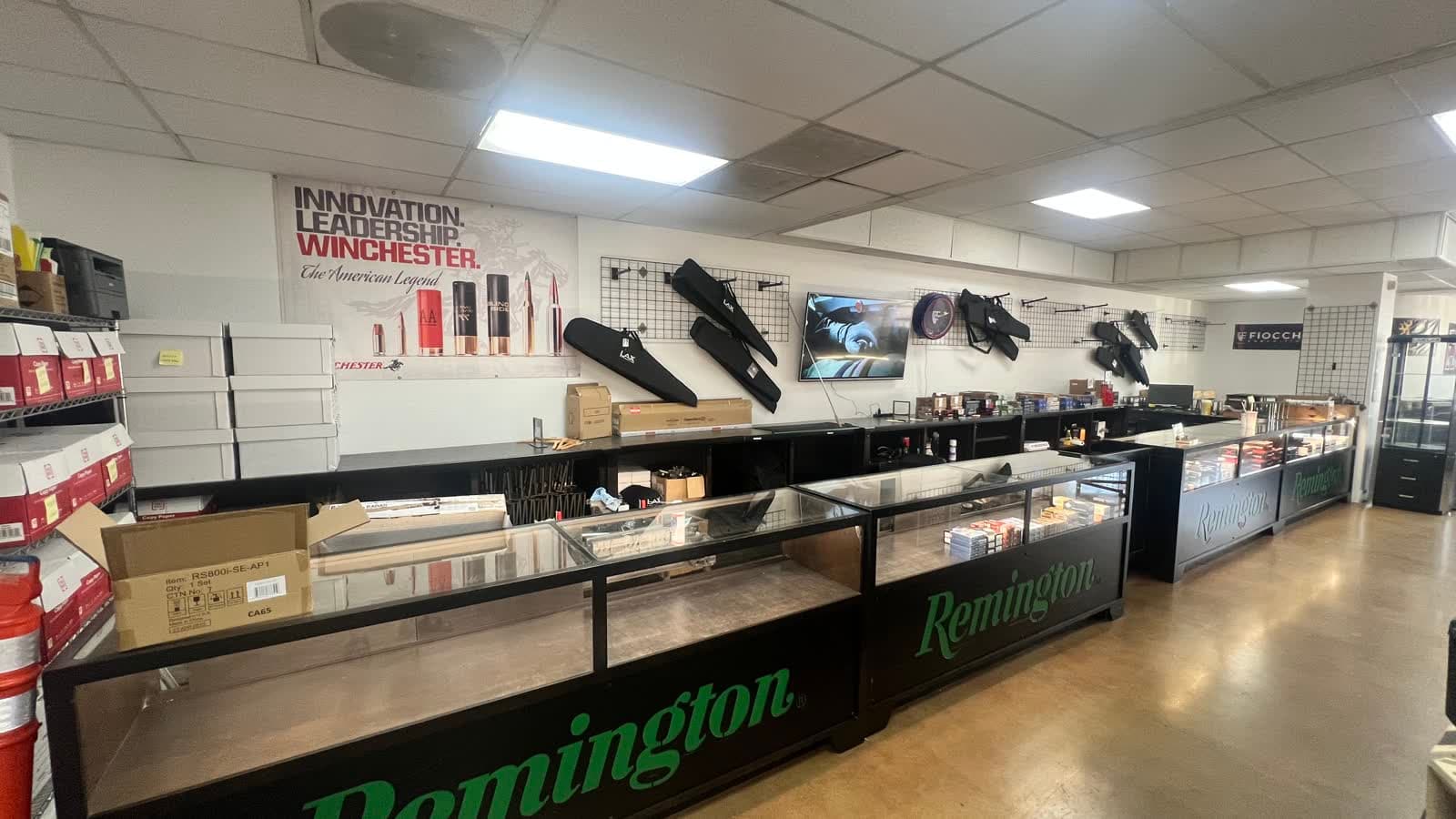
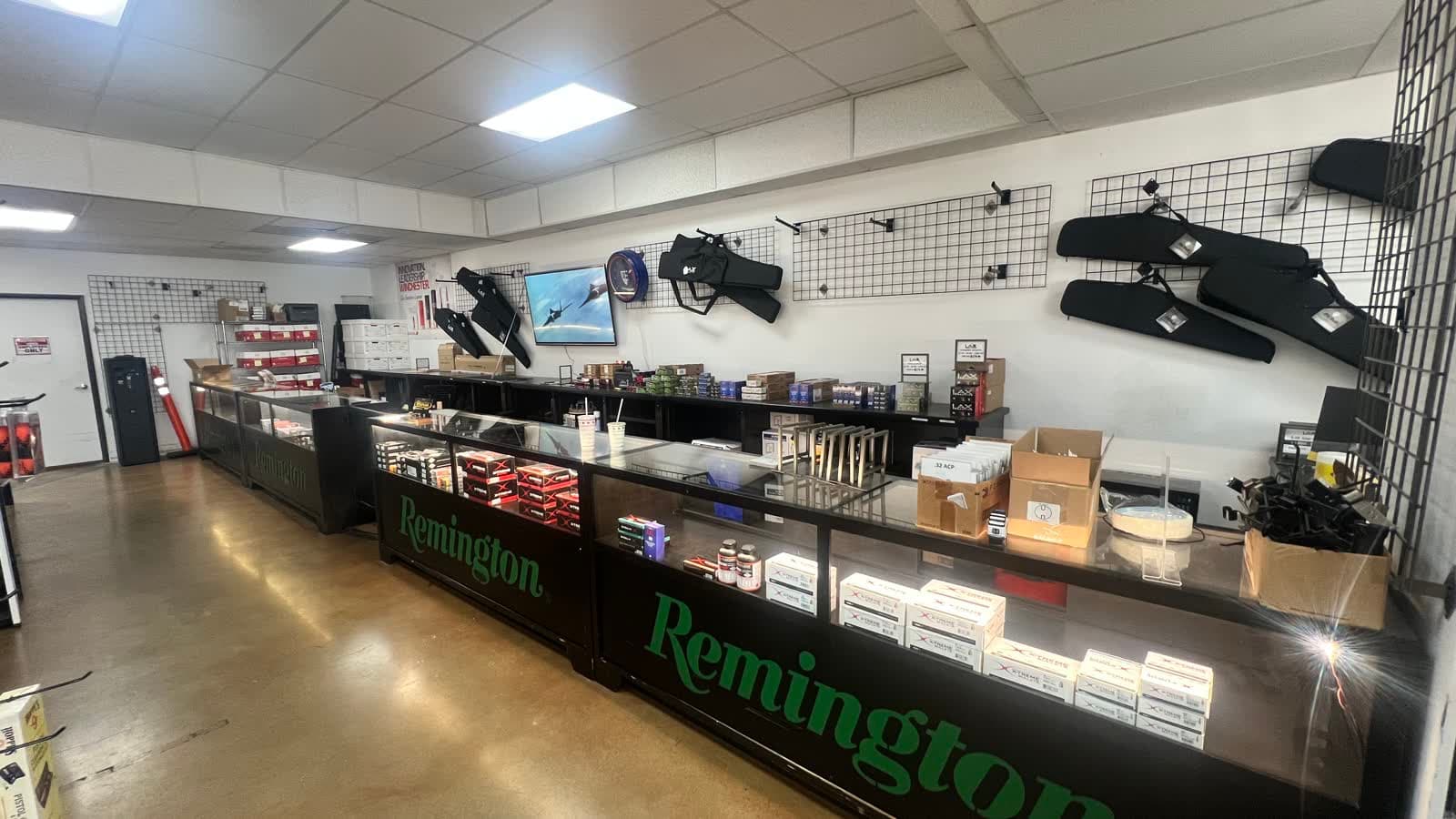
Boxed pistol ammunition in the counter displays at LAX Ammo San Diego in Kearny Mesa

Pistol ammo · the one everybody shoots

115, 124 and 147 grain, FMJ and JHP, new and remanufactured, over the counter in Kearny Mesa. This page answers the question we get more than any other: which one do I actually want?

Start here

Which 9mm Do You Actually Want?

Three bullet weights, two bullet types, and a plus sign that matters more than most people think. Short version first.

Paper and steel
115 grain full metal jacket. The most common 9mm load in the country, normally the cheapest per round, and what your gun was built around.
Carry, or a gun kept for defense
124 or 147 grain jacketed hollow point, bought new. Buy the same load twice — one box to shoot through the gun, one to keep loaded.
Teaching somebody new
147 grain for the softer push, if you can. 115 grain when round count matters more, which it usually does.

Why the weight is the whole question

Two boxes of 9mm can sit side by side with the same headstamp and do noticeably different things in the same gun. What separates them is the bullet weight — and almost nobody selling ammunition online tells you what that number changes. You get a filter, a price and no explanation. Below is the conversation we have at this counter several times a day.

The number on the box

115, 124 and 147 Grain: What the Weight Changes

A grain is a unit of weight — 7,000 to the pound — and it describes the bullet alone, not the powder charge and not the loaded cartridge.

115 grain

Fast · snappy · everywhere

The default, and the right answer for most range days. Most factory practice 9mm is 115 grain, it is normally the cheapest of the three per round, and every modern 9mm was designed around it. Recoil arrives as a quick, sharp flip rather than a shove — some shooters track their sights straight through that, and some find it busy. That is the entire reason the other two weights sell.
124 grain

The middle · the NATO weight

What most of the world's duty ammunition weighs, and where a lot of shooters land once they have tried all three. Heavier and slower than 115, and the impulse reads as a push instead of a snap, which is why competitors and red dot shooters often prefer it. Note that a box marked 9mm NATO is 124 grain loaded hotter than standard 9mm Luger, closer to +P — treat it as +P.

147 grain

Heavy · slow · usually subsonic

The heavy end of common 9mm, and most factory 147s are subsonic: they leave the barrel below roughly 1,125 feet per second, so the bullet never breaks the sound barrier. Recoil is a long, low push and many shooters find the gun stays flattest with it. It is also a very common defensive bullet weight. Subsonic is not the same as quiet — unsuppressed, it still needs ears.

What subsonic is really worth

Subsonic is only half of quiet: a suppressor deals with muzzle blast, and keeping the bullet under the speed of sound deals with the crack. Do one without the other and you still hear the other one — and California being what it is about suppressors, if you are looking at 147 grain it is almost certainly for the recoil impulse. Which is a perfectly good reason to buy it. Two cautions either way: some pistols will not cycle heavy subsonic loads without a lighter recoil spring, and short barrels bleed velocity, so a load behaves differently out of a three-inch gun than a five-inch one.

Two boxes, one caliber

FMJ and JHP, in 9mm Specifically

Full metal jacket holds its shape, feeds out of anything, and is what to shoot when the point is trigger time. A jacketed hollow point opens on impact so it spends its energy in the target instead of the wall behind it.

Barrel length matters more in 9mm

Hollow point expansion is velocity-dependent, and 9mm is the caliber people shoot out of everything — a three-inch pocket gun, a four-inch service pistol, a sixteen-inch carbine. The same load can open exactly as designed from one and behave much more like ball ammunition from another, because it never reached the speed the bullet was engineered around. If what you carry is short-barrelled, buy a load tested from a barrel like yours, not the one that tested best overall.

The two rules we give everybody

Practise with FMJ — you will shoot far more of it in a year. Then put a full box of the exact defensive load through the exact gun before you trust it: a hollow point has a different nose profile to ball, and whether it feeds is a question about your gun and your magazines, not about the caliber. The long version is in our guide to range ammo versus self-defense ammo.

The plus signs

+P and +P+: What They Mean, and When They Matter

Not a different cartridge. The same cartridge loaded hotter, chambering in the same gun — which is exactly why the marking deserves attention.

Standard 9mm Luger is loaded to 35,000 psi maximum average pressure under the SAAMI specification. 9mm +P is a separate published standard at 38,500 psi — about ten percent more pressure, and a modest velocity gain from the same barrel.

It earns its keep in short barrels and defensive loads: hollow points need velocity to open, short barrels take velocity away, and +P buys some of it back. It costs you recoil, blast and wear. For range practice it is rarely worth it — you pay more to be beaten up more while shooting the same holes.

Read the manual, not the box

+P+ is the one to be careful with. There is no SAAMI standard for it. The marking means the maker loaded above the +P specification, with nothing publishing where the ceiling is — so two boxes marked +P+ from two makers are not making the same promise.

Most modern service-sized pistols are rated for +P and say so in print. Very few are rated for +P+; older pistols, some aluminium-framed guns and some subcompacts are rated for neither. We will tell you what a box is marked. Only the company that made your pistol can tell you what it is rated for.

On the shelf in Kearny Mesa

What We Keep in 9mm

New and remanufactured, box and case, in the weights above.

Ammunition is the whole counter here, not one aisle, and 9mm gets more shelf space than anything else we carry. New and remanufactured both, so you can pick by budget instead of being talked into one, by the box or by the case — though a case only saves money on ammunition you will actually shoot, so buy a box of anything you have not run through your gun before.

115 grain range ammunition is usually on the shelf; a particular defensive load in a particular weight might not be. This site is updated by hand and the shelf moves daily, so nothing here is a live inventory feed. The defensive lines people ask for by name — Federal's HST and Speer's Gold Dot among them — come in more than one weight, so give us the load and the weight together and somebody will go and look.

Brands we buy 9mm from

  • LAX Ammunition
  • Freedom Munitions
  • PMC
  • Winchester
  • Federal
  • Speer
  • Fiocchi
  • Sellier & Bellot
  • PPU
  • Remington
  • CCI
  • Hornady
  • Browning
  • Norma

Availability rotates with what our distributors can get, so treat this as the list we buy from rather than a promise every name is in the case today. If you shoot something that is not on it, tell us.

Boxed ammunition stacked on the shelves at LAX Ammo San Diego in Kearny Mesa

Why there is no price on this page

Ammunition pricing moves with the wholesale market, and a figure printed next to a caliber is wrong within weeks. A stale price is worse than none — it costs you a wasted drive or costs us your trust at the counter. So we quote 9mm on the phone, with a number that is true today. The deliberate exception is the deals page, where a fixed price on a fixed quantity runs for a fixed week.

Before you drive out

Buying 9mm in California

A few minutes longer than buying anything else, and almost every problem we see at the counter could have been sorted out at home.

  • 9mm is handgun ammunition, so 21 and over — even when the gun you are feeding is a carbine. At 18 to 20 with a 9mm rifle, call first: the law leaves that judgment to the vendor and we would rather talk it through than turn you away at the register.
  • Every ammunition sale in California happens face to face at a licensed vendor. State law, not our policy, and the reason there is no cart on this site.
  • Bring your California driver's license or ID card. If it reads FEDERAL LIMITS APPLY, bring a passport or certified birth certificate as well.
  • Every purchase runs a DOJ eligibility check with a state-set fee collected on the state's behalf — not our charge, and we do not mark it up. The most common reason one fails is a stale record, not eligibility: updating your address at the DMV does not update the DOJ.

Ammunition and accessories only — no firearms, and no shooting range at this location. If you need somewhere to shoot what you buy, we keep a list of ranges around the county. Se habla español.

Common questions

9mm Questions We Get at the Counter

Real questions from real customers, answered the way we answer them in person.

What grain 9mm should I buy for the range?

115 grain full metal jacket, for almost everybody. It is the most common 9mm load made, normally the cheapest per round of the three weights, and every modern 9mm is built around it. The one good reason to pay more for 124 grain practice ammunition is that you carry a 124 grain defensive load and want your practice to recoil like the real thing.

What does subsonic 147 grain 9mm actually do?

It stays below the speed of sound, roughly 1,125 feet per second at sea level, so the bullet never makes the sonic crack a faster round makes on the way to the target. That only matters acoustically if the gun is suppressed — the can handles muzzle blast, and only a subsonic bullet handles the crack. Unsuppressed, 147 grain still needs ears. What it gives every shooter is a longer, softer recoil impulse.

Can my pistol shoot +P 9mm?

Check the manual, not the box. 9mm +P is loaded to 38,500 psi maximum average pressure against 35,000 psi for standard 9mm Luger, both published SAAMI figures, and most modern service-sized pistols are rated for it in print. Older pistols, some aluminium-framed guns and some subcompacts are not. There is no SAAMI standard for +P+ at all, so that marking only means the maker went above +P without publishing where they stopped.

Is 9mm Luger the same as 9x19 or 9mm Parabellum?

Yes — three names for one cartridge, and a box marked any of them chambers in a 9mm pistol. 9mm NATO is the same case loaded hotter, closer to +P. What is not the same cartridge: 9mm Makarov (9x18), .380 Auto (sometimes labelled 9mm Kurz or Short), 9x21 and .38 Super. Those are the mix-ups we see most at the counter, so read the whole box, not just the number nine.

How much is 9mm, and do you have it in stock?

Call 858-987-0509 or text 310-499-3499 and we will quote today's price and walk to the shelf while you are on the line. The catalog carries no prices because ammunition moves with the wholesale market and a printed number is wrong within weeks. 115 grain range ammunition is usually on the shelf; a particular defensive load in a particular weight might not be. This site is updated by hand, so treat nothing on it as today's inventory.

I am 18. Can I buy 9mm for my carbine?

Call us before you drive out. California sets 21 as the minimum age for handgun ammunition and 18 for rifle and shotgun ammunition, and 9mm is the awkward case — principally handgun ammunition, and also what most pistol-caliber carbines eat. The law leaves that judgment to the vendor, so we would rather talk it through on the phone than turn somebody around at the register.

Do you ship 9mm, or sell it online?

No. Every ammunition transfer in California happens face to face at a licensed vendor, which is why there is no cart on this site and no shipping — state law, not store policy. Bring your California ID to the counter in Kearny Mesa; every purchase runs a DOJ eligibility check with a state-set fee collected on the state's behalf.

Stock & deal questions

Tell us the weight and we will go look

Text is usually faster than a call for this. Send the bullet weight, the load if you know it, and roughly how much you want — somebody will walk to the shelf and tell you what is actually there.

Se habla español

  • Ask if your caliber is in stock today, and what it runs.
  • Ask what the in-store Deal of the Week is before you drive out.
  • Ask what to bring for the California eligibility check.
  • Ask anything about a load, a caliber, or your gun. No pressure, no attitude.
Phone
immediate during business hours
Text
anytime — immediate during business hours, forwarded after hours
Hours
Mon – Fri 10:00 AM – 6:00 PM · Sat – Sun 10:00 AM – 5:00 PM

Where We Are

LAX Ammo San Diego4411 Mercury St, Suite 103
San Diego, CA 92111
Kearny Mesa, San Diego
Open in Google Maps

Hours

Mon – Fri
10:00 AM – 6:00 PM
Sat – Sun
10:00 AM – 5:00 PM

Closed Thanksgiving Day, Christmas Day and New Year's Day.

Call or Text

858-987-0509

Calls only

310-499-3499

Text only

Text anytime. Anytime — immediate during business hours, forwarded after hours.

Before You Visit

  • Bring your California ID — every ammo purchase needs an eligibility check.
  • Purchases happen at the counter. No online checkout, and we don't ship ammo.
  • Ammunition and accessories only. No firearms, no range at this location.

Se habla español

How California's ammo law works